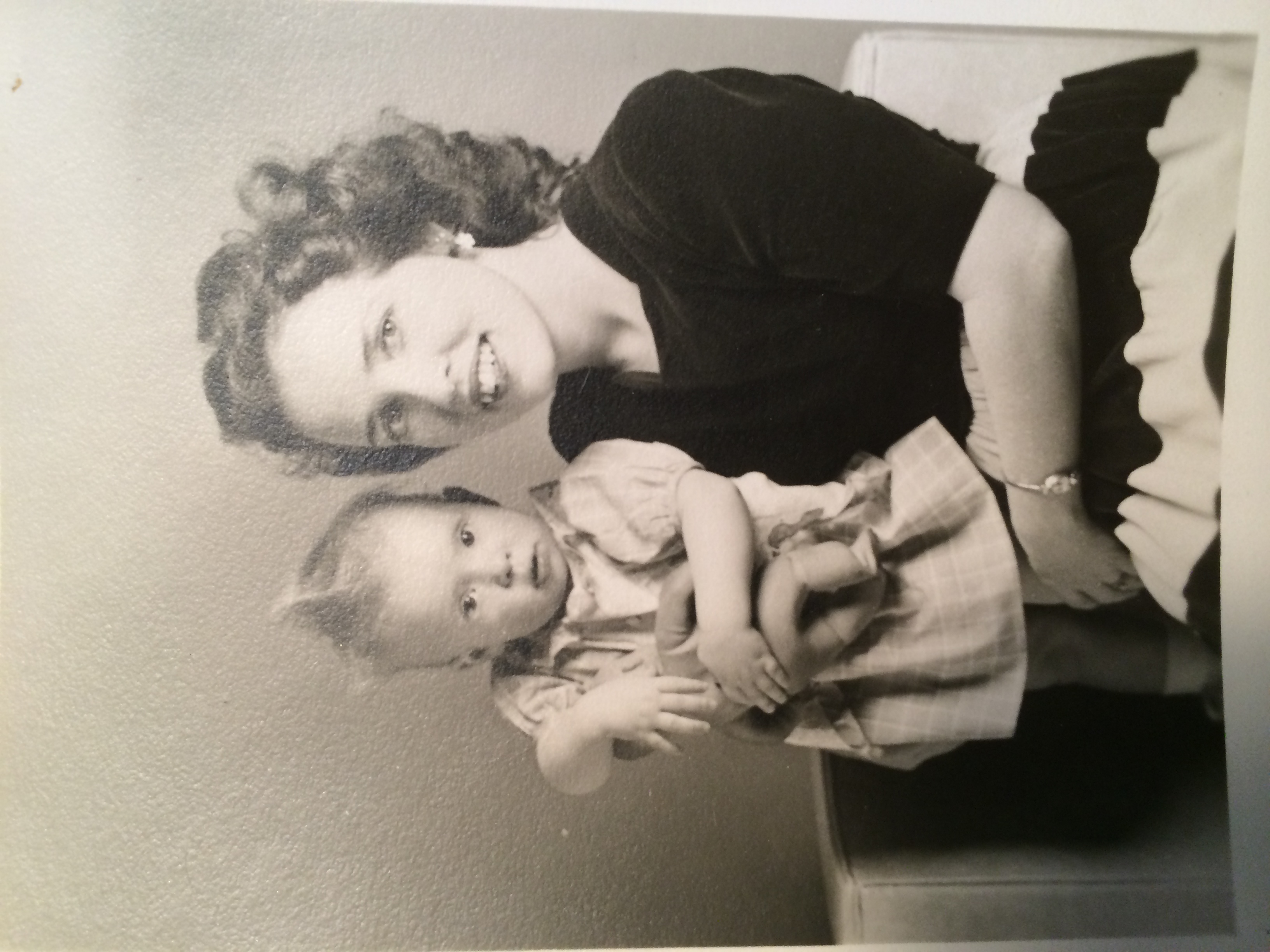
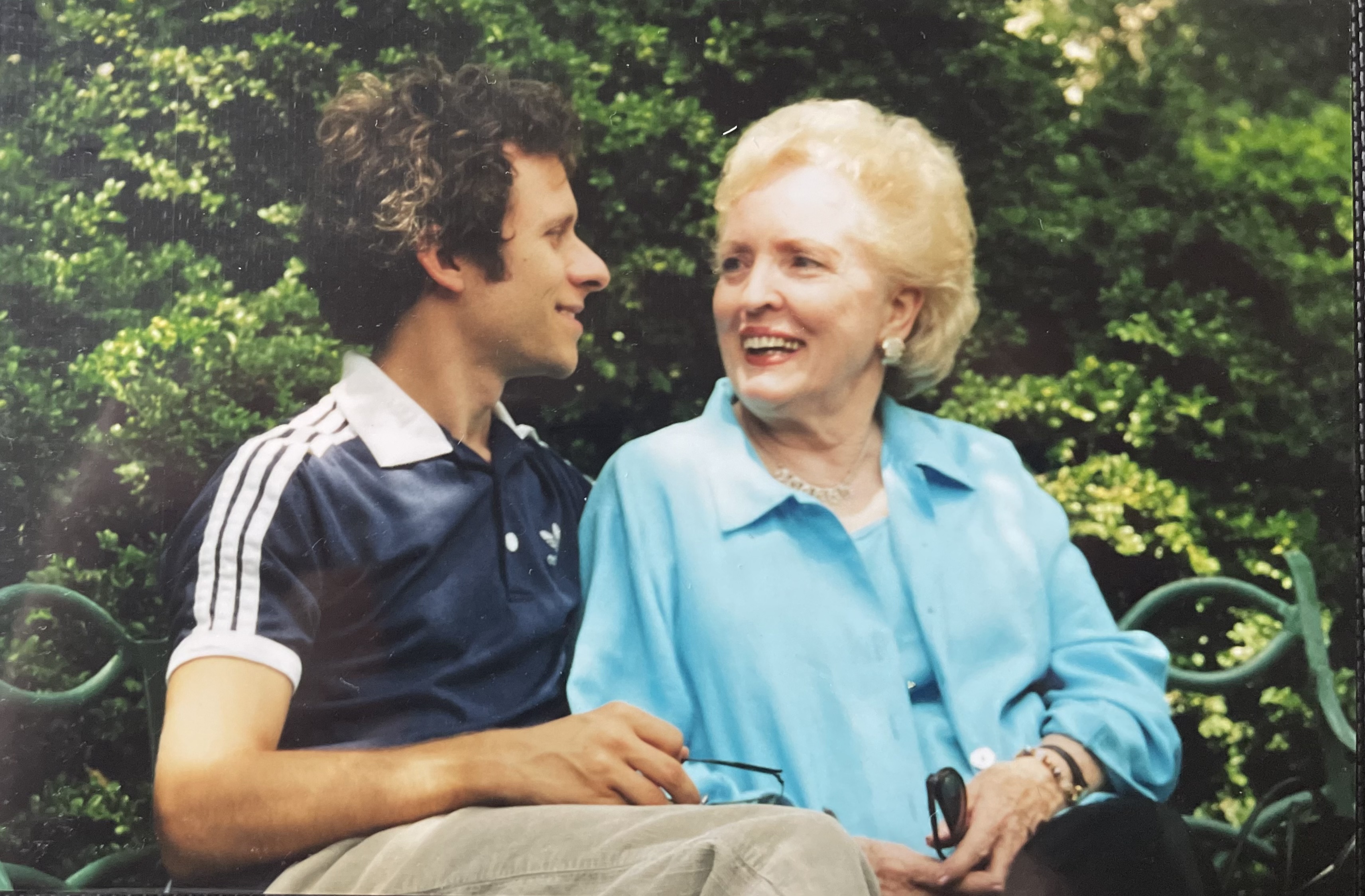
The Bette Farrer Foundation was established by Bette Farrer’s grandchildren in honor of a woman whose Christian faith left a lasting imprint on her family.
Bette was known as an intercessor—a person committed to bringing the needs of others before God in prayer. In 2012, as filmmaker Lauralee Farrer’s Praying the Hours project was taking shape, its prayer producer wrote that the production was being built on a legacy of prayer: for years Bette, Lauralee’s mother, had prayed continuously for the film. After Bette’s death, that commitment to prayer was carried forward by others involved in the project.
Lauralee later wrote about following her mother’s practice of speaking people’s names before the throne in prayer. That simple image captures something essential about Bette’s legacy: faith was personal, persistent and directed toward the needs of other people.
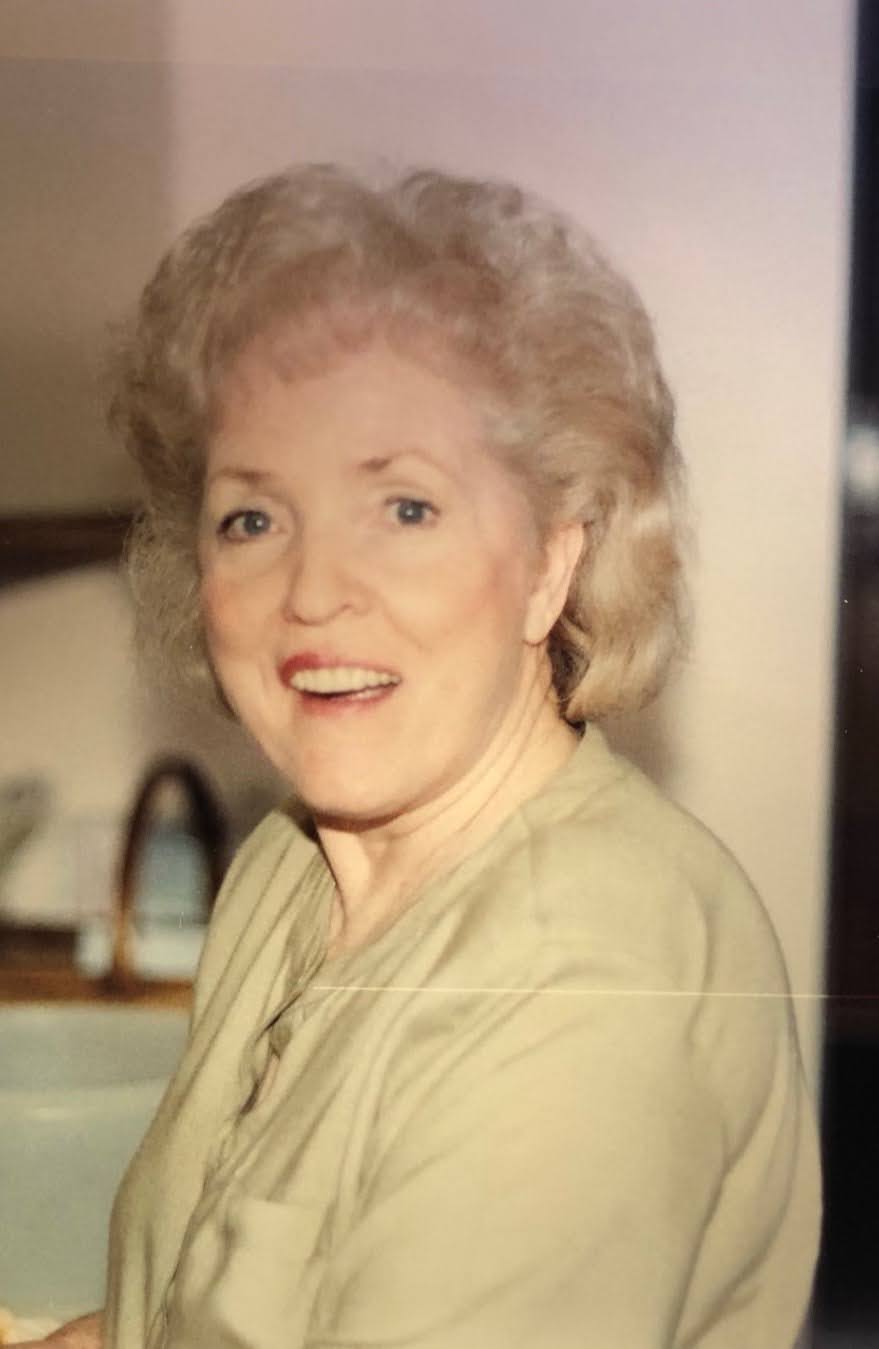
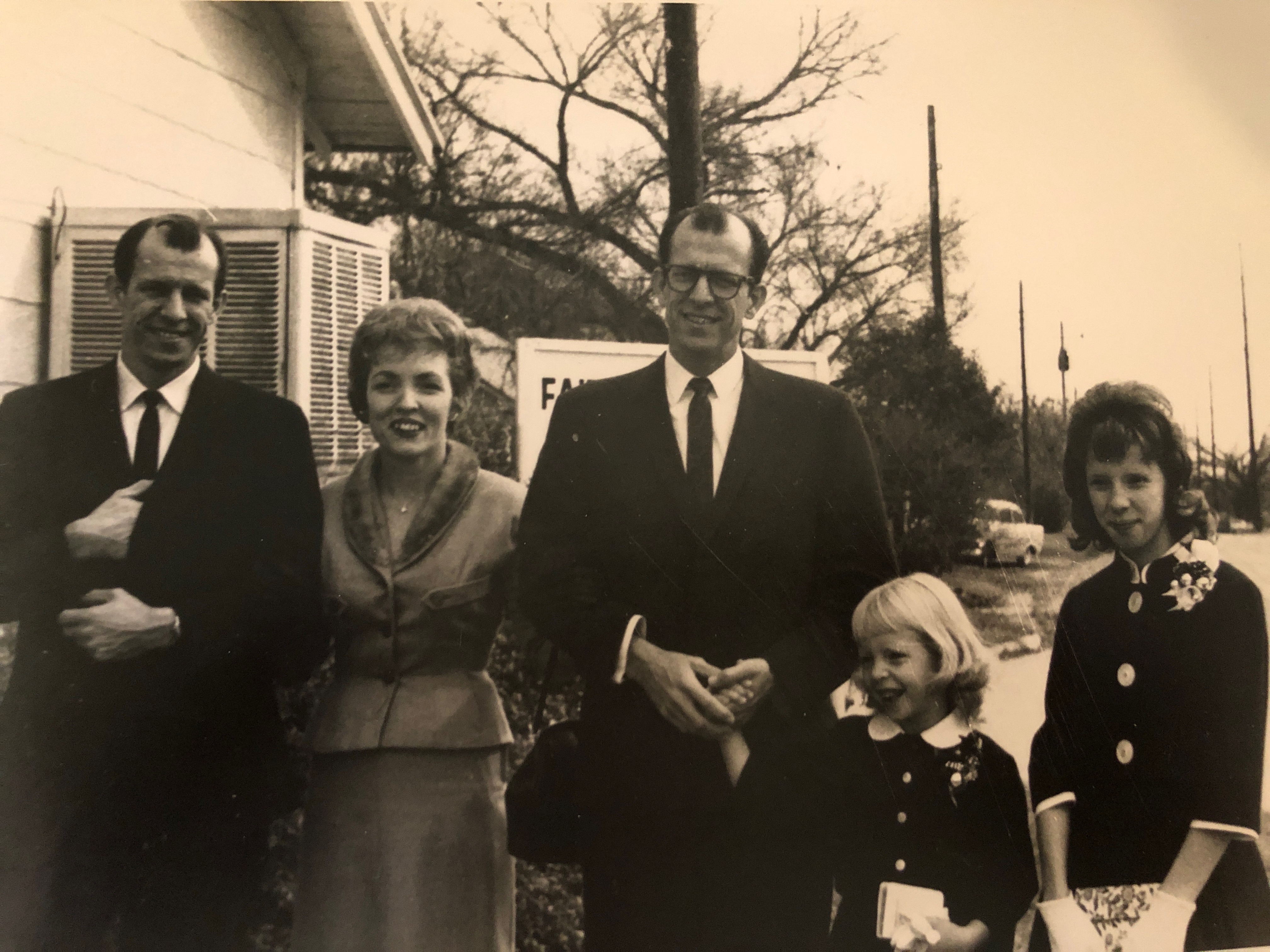
Lauralee’s recollections also place Bette and her husband Don within the evangelical Christian culture of the 1950s in Southern California. Both were musicians, and they sang in Billy Graham crusade choirs when the evangelist came to Los Angeles. Their family life was shaped by Christian music, worship and a conviction that faith should matter in everyday life.
The Foundation does not exist because Bette founded it. It exists because her grandchildren wanted a life of faith and concern for others to continue bearing fruit.

The Bette Farrer Foundation began in Tulsa as a grassroots Christian charity with a particular heart for single-parent families. Its early work sought to help through education, mentoring, prayer, medical assistance, employment opportunities and supportive networks.
The renewed Foundation carries that practical spirit forward while broadening its focus to four groups Scripture repeatedly calls believers to remember: children and orphans, single-parent families, widows and refugees.
Our purpose is not simply to preserve a family name. It is to turn an inherited example of faith into compassionate action for people who need someone to stand beside them.


“Let the little children come to me, and do not hinder them…”
“He defends the cause of the fatherless and the widow, and loves the foreigner residing among you…”